If you spend enough time with horses, the schedule lives in your body. Winter season makes you listen a lot more closely. Spring throws open the barn doors and your detects together with them. Summertime examinations your persistence and your borders. Autumn asks you to gather what you have found out. Working in restorative horsemanship and equine-assisted solutions for 20 years, I have viewed just how the periods act like co-facilitators, forming the tone and structure of every session. When we lean into that rhythm instead of fighting it, experiential learning with horses goes deeper. Goals come to be a lot more based, regulation steadier, and understandings stick.
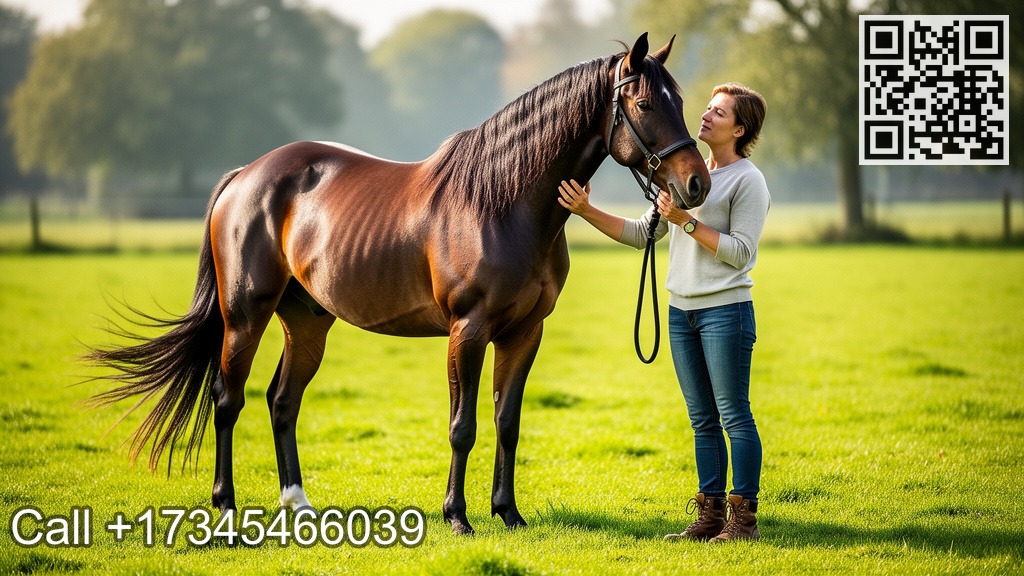
I do not imply only route rides on sunny days. I suggest real, structured equine-assisted tasks and equine-facilitated training that collaborate with weather, daylight, herd requirements, and human nerves. I imply somatic recovery with equines that adjusts to mud, heat, frost, and wind. The seasons influence herd characteristics, forage, hoof growth, layer modifications, and power. They likewise alter how individuals really feel in their skin. If you have ever enjoyed a youngster with ADHD settle right into a walking pattern in winter season when the world is peaceful, or seen a high-performing supervisor soften her jaw on a breezy autumn early morning while a mare takes a breath beside her, you understand what I am chatting about.
What adjustments across the year, and why it matters
Horses are victim animals, which implies their survival relies on reading the setting. When the light changes or the wind lifts unknown scents, you feel it initially in your equine's ribcage and your own chest. Spring brings fresh grass and larger herds of flies. Metabolic rate rises with the new forage, and many horses feel warm and onward. Summertime heat slows every little thing down, testing hydration and interest. Autumn brings stable footing and sharper air, which can brighten some steeds and increase shock in others. Winter silences the ranch. Pastures remainder. Snow smothers noise, and frost makes unguis sing on difficult ground. The nerve system signs up all of this via breath, position, and gait.
Humans really feel seasonal changes too. Clients seeking anxiety assistance with steeds frequently observe that wind days make their ideas race. Clients in an autism equine learning program may need easier aesthetic atmospheres to lower sensory tons throughout spring green-up. Grownups seeking equine-facilitated health often appear in August dried and over-scheduled, then find a various type of limit when a gelding rejects to move up until they reduce their breathing. These are not side notes. They are the work.
So, the concern is not how to make every session the very same. It is exactly how to use the period as curriculum, securely and intentionally.
Spring: reawakening interest and restoring trust
Every year in March or April, relying on your latitude, equines and people wake up to a lot more light. The barn feels hectic prior to anything actually gets done. Horses who were steady in January might alarm at coats waving. New turf can be an adventure trip if you are not careful with yield time. I plan spring sessions with a predisposition towards interest and trust.
Start on the ground. Spring energy, especially on cooler mornings, can make mounting a test for green equines and eco-friendly riders. In equine-assisted coaching and equine-facilitated mentoring sessions, I usually begin with a limit rope and a halter lesson that looks stealthily straightforward. The customer stands still, holds the lead gently, and tracks the equine's tiniest shifts. When the steed looks outward, the customer takes a breath out and names three sounds in the atmosphere. When the steed pivots an ear or softens an eye, the customer takes one step in reverse and invites connection. It is a dialogue, not a conflict. After 10 mins, attention has a shape again.
Anecdote aids right here. One April, a teen in our ADHD equine finding out support program showed up practically vibrating from institution. The gelding he usually dealt with had springtime high temperature. We switched the strategy. Rather than a mounted pattern, we set four cones in a square and produced a quit and notice circuit. Walk three steps, time out, scan the area. Stroll diagonally, time out, notice a color. He rolled his shoulders, the gelding yawned, and by the 3rd lap their strides matched. Installed work later that month was less complicated due to the fact that we gained it on the ground.
The compromise with springtime is need to do way too much prematurely. Equines are shedding, which can irritate the skin and distract them. Weather turns from balmy to gusty in an hour. Footing may look completely dry on the top and be soup underneath. Maintain timelines flexible and welcome micro-wins. A ten-minute successful in-hand pattern can give even more healing worth than a wobbly 40-minute trip. For clients with sensory difficulties, set up grooming or board with different brushes and brief periods, or utilize a curry mitt to minimize tickle feeling that in some cases stimulates dysregulation in spring.
If you work in team building with steeds during this period, structure it around calibrating team focus. A traditional example is the shared lead workout. Two participants, one lead rope. The guideline is no speaking for the initial min. The steed offers prompt psychophysiological feedback regarding leadership uncertainty. When the pair sighs and a single person commits to a subtle sign, the steed answers with a step and a breath. You can review the entire group's period of partnership in five slow-moving minutes in April.
Summer: energy administration, limits, and hydration
I love summer season's long evenings, however they can deceive individuals right into believing capacity is endless. It is not, not for people or steeds. Heat and humidity raise heart prices and shorten focus periods. Flies and midgets include a layer of irritability for delicate horses. Hydration comes to be a quiet lead character in equine-facilitated wellness. Expect to spend more time on pacing, remainder, and boundaries.
Many equine-assisted tasks benefit from shade. A walk track in a timber line does much more for self-regulation in July than an open arena. Sessions needs to include extra frequent breaks, not as a consolation but as the job. I time installed spells to 5 to 8 minutes, then dismount for water and reset. If a customer's objective is emotional regulation, we call the interior climate. Warm head, tight neck, completely dry mouth. Then we match method to comments. Often it is as simple as asking an equine to halt in the only patch of breeze. That small act models just how to pick relief rather than grinding on.
One July afternoon with a company group, we ran a boundary workout that wound up having to do with the word no. Individuals needed to relocate a mare through an easy U-shaped lane of posts without touching her. Deliberately, the lane narrowed near the end. The mare did exactly what summer season asks. She stopped in the color and did not budge. The team tried louder body language. She snapped an ear and sat tight. Finally, one person went back, settled his shoulders, and developed a clear opening with his position. Another person softened her jaw and dropped her power. The mare took 3 actions. We spoke about just how border and invite are not revers. Summer showed that lesson far better than any type of lecture.
For customers looking for anxiousness assistance with equines, summer season typically brings awaiting worry. Suppose I can not concentrate. What if the equine is way too much. I maintain an air conditioning fabric in my pocket and a standard breath count as a routine. Stroll to the sector gate, count 4 slow exhales, touch the gate with your hand and feel its temperature. These sensory supports interrupt rumination. For an autism equine learning program, summer season requires thoughtful organizing. Early morning sessions are kinder to sensory level of sensitivity. A wide-brimmed hat and regular regimens lower shocks. Flies can not be removed completely, however fly sheets and a fan in the grooming area help.
Here is a little yet beneficial seasonal gear checklist that lives in my tack area from June through August:
- Clean water bottles and electrolyte packages for humans A 2nd pail of water near the workplace for horses Fly masks, fly spray, and a box follower with a grounded extension cord Cooling towels and a tiny first-aid set with sun block and burn gel Cones or poles to produce shaded remainder points in the arena
The compromise in summertime is that some equines will appear lazy. Before promoting more go, ask whether the horse is shielding themself. Check skin temperature level behind the joint, examination for dehydration with a gentle skin tent, and listen to breathing. A forward steed in May may be a metronome in July. Approve the metronome, and you will often discover that timing and balance improve. If riding is on the plan, shorten trot collections and lengthen walk recoveries. The human brain learns well at the walk.
Autumn: changes, harvest, and sharper listening
Autumn is the teacher who sits quietly and waits for you to see. The air dries, coats are available in, and footing firms underfoot. Herd dynamics can shift as pastures adjustment and grain routines adjust. I discover that individuals show up even more reflective. They would like to know what all that summer initiative added up to. This is the period for integrating abilities and exploring transitions cleanly.
I like to make patterns that record a beginning, a center, and an end. Stroll, trot, stroll. Approach, time out, back up. Lead out, unclip, and invite freedom. We pay attention to thresholds. Can the equine and human enter the field together without hurrying. Can they leave without dripping power. One grown-up client in equine-assisted coaching came to fall job after a year of management modifications at her job. Her mare of selection was independent and a little skeptical. We built a three-part session: grooming with conscious touch, a common stroll to a pasture entrance and back, then a liberty circle in a rounded pen. The mare tested the border free, wandered, after that returned when the customer softened her shoulders and supplied a clear direction. The client smiled, a tiny personal thing. That night she emailed, I practiced the same pose in my personnel conference. The area followed.
Transitions additionally mean grief and preparation. Horses age, herds lose and get participants, daytime reduces. I do not push for big wins in October. I listen of what intends to finish well. For a teen with sensory processing distinctions, we invested a session deconstructing a favorite brushing routine right into three treasured touches, after that developed a tiny photo book so he could bring the routine forward during wintertime breaks. For ADHD equine finding out assistance, autumn is a perfect time to explore task moving without self-criticism. A cone slalom becomes an area to exercise changing attitudes. It is not concerning speed. It has to do with finishing the breath you remain in prior to starting the following turn.
Teams grow in fall. Harvest is a natural allegory. A ground-based obstacle including moving a set of posts right into a brand-new configuration works perfectly now. Group participants should plan, bring, adjust, and complete. The steed includes truthful input. If the team quits collaborating, the gelding drops off to the hay heap. When they connect clearly, he tracks along with them. People bear in mind in their muscles what the difference feels like. That is equine-facilitated training at its most elegant.
Winter: quiet bodies, deep guideline, and tiny precise work
Winter looks like a lull, however I have actually never seen more honest somatic modification than in December via February. With less aesthetic clutter, minds can downshift. Snow soaks up audio. Cold air requests slower warm-ups and true presence. Horses wear much heavier coats. Some barns minimize turnover throughout storms, which can make equines really feel troubled. Unguis care changes as a result of ice and hard ground. I plan for much shorter, extra deliberate blocks and make the stroll the hero.
Mounted operate in winter season ought to safeguard joints and balance. 10 mins of deliberate walk with serpentines and soft halts shows both equine and biker to coordinate. On the ground, I utilize body check workouts that integrate the horse's warmth. One fave for stress and anxiety support with horses pairs a customer's hand on the equine's shoulder with the other hand on their very own upper body. The project is small. Match the growth of the equine's ribs with your own breath for 5 cycles. Individuals report feeling their heart price drop in a minute or more. A wearable shows that reduction too, generally by 5 to 15 beats per min throughout the very first part of the session.
Clients in an autism equine finding out program commonly take advantage of winter's predictability. Aesthetic areas are less hectic, and regimens are repeatable. I keep an extra collection of gloves with various structures so we can modulate sensory input throughout grooming. The curry comb that really felt ticklish in spring commonly really feels grounding in January when used in slow-moving circles. For ADHD learners, wintertime provides a possibility to exercise sustained attention without the outer globe yelling for theirs. We set a timer for 3 minutes and do a basic job like counting hoofbeats on a stroll track. The mind develops a bridge from one step to the next.
I also reserve component of winter for team debriefs and program style. If you run equine-assisted solutions, this is an excellent window to review outcomes and plan. Look back at objectives set in springtime. Which were accomplished. Which require a various strategy. Data can stay human. Track presence, regulation self-reports, and visible abilities like placing independence or halter proficiency. In my program, we see that clients that attend winter sessions at the very least two times a month keep or enhance law scores into early springtime, while irregular winter months attendance correlates with a choppier reentry in April. The objective is not excellence, simply intelligence regarding patterns.
Because winter season needs accuracy, right here is a basic grounding series we utilize inside or in a sheltered corner of the arena:
- Stand shoulder to shoulder with the steed, both of you encountering the same direction, and notification where your feet fulfill the ground Place one hand delicately on the horse's shoulder, the various other on your own belly, and matter three slow-moving exhales Shift your weight slightly forward and back, after that side to side, and really feel the horse mirror or neglect your activity without judgment Name 3 points you can see in the barn, two you can hear, one you can feel on your skin Invite one step forward with each other, time out, and observe what altered in breath and posture
The risk in winter months is rushing the workout to remain warm. Stand up to. Begin with hand walking. Check footing for ice in every zone you intend to use. For ridden work, a quarter sheet can keep back muscle mass warmer. If the wind is penalizing, take the session into a delay row or a tiny interior, or scrap the equine totally and do a human-only regulation session with hay nets and secure chores. Authenticity defeats heroics. Security is part of the lesson.
Adapting objectives and techniques for various needs
A toughness of equine-assisted tasks is just how conveniently they flex to private accounts. That versatility should consist of seasonal adjustments.
For ADHD equine finding out support, spring prefers uniqueness within structure. Change the pattern however maintain the ritual. Summertime rewards bite-size tasks with noticeable endpoints. Autumn invites reflection on development making use of concrete pens like time with a pattern or number of halts accomplished without sign piling. Wintertime is the time to construct stamina for stillness. Among my favorite successes was a 12-year-old that, by February, can take a breath with 2 full mins of standing at the installing block with his pony, after that tip up efficiently. That ability converted to waiting his kip down various other settings.
For customers seeking a different treatment for sensory obstacles, spring can flooding the system. Usage grooming with a clear start and stop, and offer choices of devices. Summertime requests color, hats, and shorter sessions. Fall frequently opens a window for richer appearances like layer adjustments and crunchy leaves under hooves, which some customers love. Wintertime enables quiet barn sounds, the rhythmic scrape of a hoof choice, the horse's breath, which numerous clients locate regulating.
For stress and anxiety, every period has a doorway. Springtime shows method and retreat. Summer enforces pacing. Fall makes clear endings and shifts. Wintertime personifies tranquility without collapse. In equine-facilitated wellness, I stay clear of huge cases. Quantifiable success look like lowered self-reported anxiety during sessions, enhanced rest on session nights reported by family members, or the customer arriving very early instead of late. Those end results show up in our notes throughout seasons.
Team building and leadership advancement that respect the calendar
Corporate and business groups included goals and constraints. They want crisp takeaways. Equines demand authenticity. Connecting the two jobs best when the period informs the design.
Warm months favor outdoor, movement-rich difficulties with integrated remainder. A July afternoon agenda may consist of 2 brief ground workouts, a hydration break where each person names one border they will certainly hold at work, and a closing stroll with the herd at liberty if the herd's personality and area permit. In cooler months, tighter time obstructs with reflective debriefs fit individuals and steeds. Among the most impactful winter team sessions I ran used a single quiet gelding, a collection of poles, and a 90-minute arc. The group developed a pattern, exercised quietly, ran it with discourse, after that translated each on-the-ground slip right into a work environment analog. Individuals entrusted to a shortlist of actions to transform instantly, not a binder of theory.
Equine-assisted coaching has a specific gift for exposing leadership unseen areas. Steeds read comprehensibility. If your words say calm and your body screams frantic, the gelding chooses the body. If you fill up silence with explanations, the mare turns her head away. In autumn, when interruptions are less, this comments lands with much less sting and even more clearness. It ends up being, I see it, I can transform it.
Ethics, welfare, and the long view
Working seasonally is not simply effective. It is kinder. Healing horsemanship that ignores weather, footing, turnout, and forage is bad practice. Equine-facilitated services must focus on horse well-being as much as human goals. That means canceling for ice, adjusting workload in heat, allowing steeds times off after huge sessions, and learning each horse's seasonal choices. Some steeds love wintertime work and hate flies. Others perk up in spring and deal with November winds. Honor that.
Consent issues. Not in a performative means, in a daily method. Look for small no signals, like a pinned ear at the girth, a stop at the sector gate, or a change in chew pattern. Adjust. A program that deals with horses as companions rather than devices versions exactly the kind of relational wellness we desire clients to find out. This includes preparation pause for the herd throughout the fiscal year. In my barn, late August and late February are light on bookings by design.
Staff training complies with the very same contour. Show your group how to spot seasonal laminitis threat in spring, warm stress and anxiety in summer season, colic indications throughout fall weather swings, and footing dangers in winter months. Never be afraid to say not today. The integrity you develop mirrors via every session.
Designing a year with intention
If you are building or refining an equine program, map your objectives to the seasons. Beginning spring with reconnecting to signs, boundaries, and attention. Establish baseline actions like breath matters, halter abilities, or variety of clean changes. Usage summertime to exercise energy management and self-advocacy. In autumn, incorporate and reflect. Ask customers what they wish to harvest. In wintertime, secure depth and remainder. Concentrate on accuracy, body understanding, and maintenance of gains.
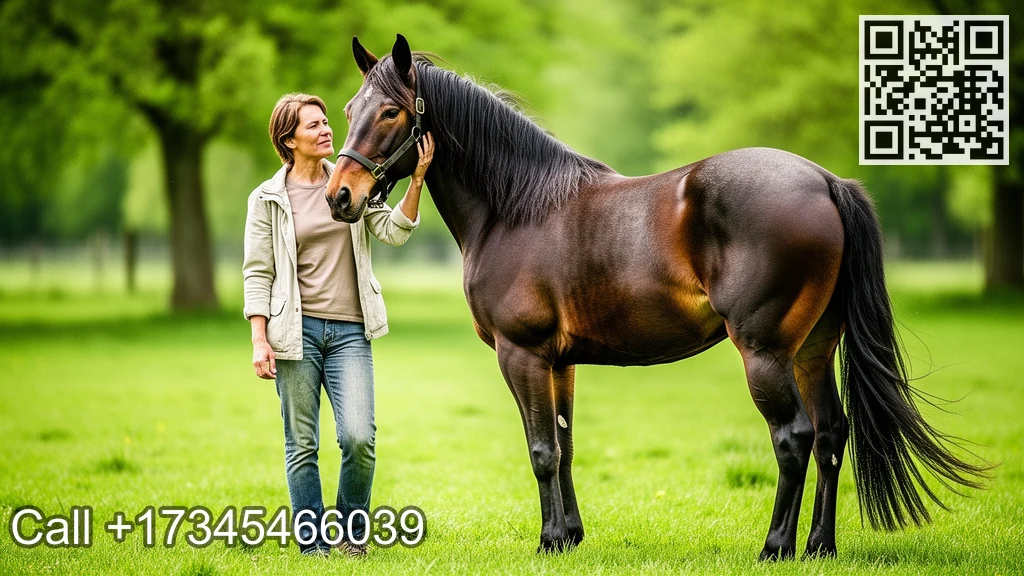
Budget and logistics do the same. Allocate funds for fly control in summertime and ground maintenance in winter months. Set up group proceeding education in silent months. Connect with households about what to anticipate each period so they get here with the right clothes and mindset. Straightforward details, like having additional gloves, water, and an extra coat on hand, turn potential obstacles into non-events.
For advertising and marketing and outreach, keep the message sincere. Equine-assisted services are not magic. They are personified, responsive, and relational. Say that. If you provide an autism equine https://www.hhooves.com/inclusivehoovesfarmcamp learning program, describe the sensory environment by season so households can choose the most effective home window. If you hold team building with horses, frame the benefits around seasonal lessons. July for pacing and border work. October for clearness and closure. February for paying attention and coherence.
Stories that stay
Ask any type of expert and they will have a handful of sessions that decline to discolor. Mine almost always tie to a moment when the season, the horse, and the human stated the exact same thing.
A winter day when a young veteran stood with a draft cross and matched breath for the very first time in months, after that stated, silently, I can feel my feet. A gusty spring early morning when a mare taught a manager that stepping back can develop much more forward than pushing ever before will. An August afternoon under the oak trees where a teenager, perspiring and honored, dismounted after walking a perfect figure eight and claimed, I really did not give up on the tough part. An October night where a group strolled a gelding via a pattern, bows and all, then composed 3 sentences they would really send to their team. Those are seasonal stories.
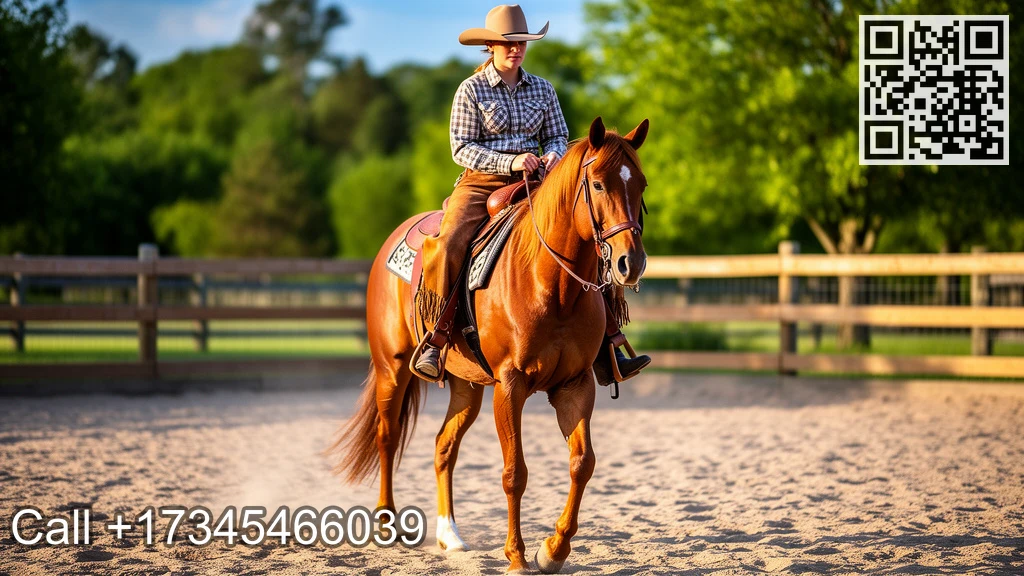
Equine-facilitated mentoring and equine-facilitated wellness succeed when they stop acting the sector is a vacuum. The world belongs to the session. Light, temperature, bugs, wind, mud, frost. Steeds already know this. When we, the people, allow the schedule into our planning, the work obtains sincere. Individuals discover law without requiring it. Steeds remain audio in body and mind. The ranch relaxes and revitalizes. And we, together, find out with the year, not against it.