If you stand silently at the fencing line at Satisfied Hooves in Dexter, you can hear the very first lessons in the sound of steeds breathing. Hooves shuffle on sand. A tail swishes. Ears flick toward you, after that back to the wind. Equines reviewed the world via movement and purpose, and they review us the same way. That level of sensitivity is not a gimmick or a party method. It is the structure of equine-assisted training, and why this work so usually helps people call what they really feel, choose what they desire, and exercise how to obtain there.
I have actually trained in fields large and tiny, under summer season electrical storms and fall sunsets, with customers who arrive breaking with concepts and others that need 10 silent mins prior to a word surface areas. The throughline is straightforward. When you meet a 1,000-pound being that replies to your breath, your posture, and your clarity, you start to think that your options issue. Self-confidence expands that way, one coinciding action at a time.
What steeds show without a lecture
Horses are target pets, which suggests they endure by paying attention. They arrange signals promptly, relocate far from pressure, and unwind when the image is clear. Humans, on the other hand, can state something and show an additional. We could grin while our shoulders slip towards our ears. We can psychologically have a look at while nodding yes. A horse will discover the inequality long prior to we do. That real-time biofeedback is the engine behind equine-assisted solutions that concentrate on growth, communication, and wellness.
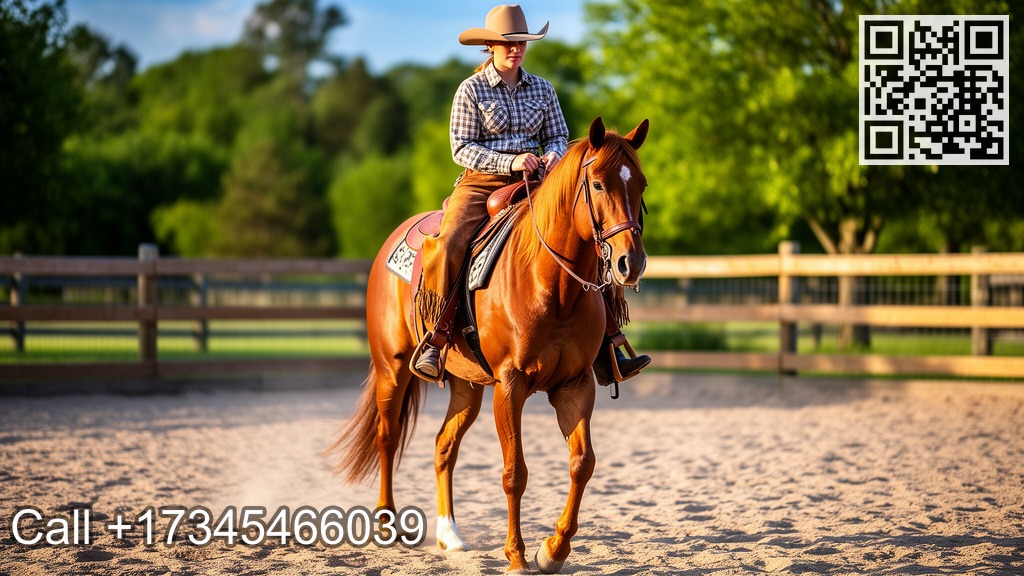
Where talk alone can rotate, experiential discovering with steeds brings you into your body. You feel your feet, observe your breath, and see immediate modifications in the steed's action. If you slow your actions and soften your look, the steed usually mirrors that softening. If your goal is to lead via a collection of cones, you will certainly discover whether your plan makes sense when your steed quits midway and looks at the birds or the open gate. Both results lug info. Neither is incorrect. The work is to adjust with inquisitiveness instead of judgment.
This is not regarding dominating an equine. It is additionally not about magical reasoning that a horse recognizes your keys. It is a regimented practice in quality, timing, and connection. That combination has evident worth for anxiousness support with horses, for ADHD equine learning support that networks power right into organized tasks, and for group structure with equines where groups must interact clearly and adjust in the moment.
A day at Happy Unguis: how sessions flow
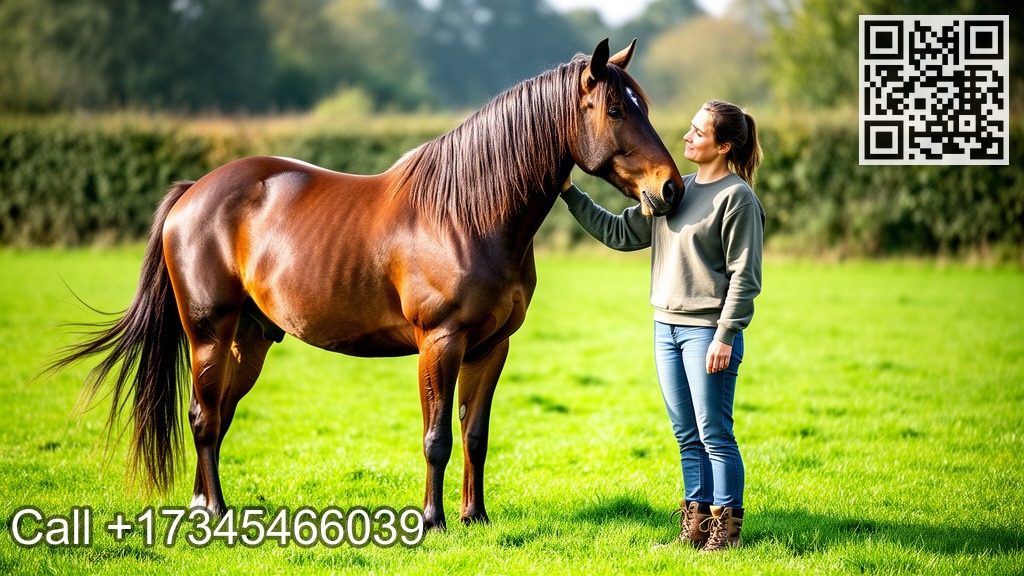
Happy Unguis rests on the western edge of Washtenaw County, a short drive from downtown Dexter. The setup is straightforward Michigan horse nation, with a rhythm to the days. Horses come in for breakfast, go back out to pasture when the sunlight lifts, and put right into hay when the https://kameronamst161.raidersfanteamshop.com/pathways-to-tranquility-anxiety-support-with-horses-in-dexter wind cuts. Customers fulfill us in a tidy aisle or by the round pen, typically greeted by a barn feline with absolutely no regard for schedules.
Equine-assisted training sessions generally last 60 to 90 minutes, depending on goals and focus period. An initial meeting includes a trip, security orientation, and a brief introduction to equine body language. Helmets are available for placed job and suggested any time someone chooses the extra safety and security. Many coaching begins on the ground. Leading, brushing, freedom operate in a small paddock, and easy obstacle patterns provide us plenty to see. Installed parts can be included later on if they offer the goal, though numerous customers never ever being in a saddle and still see solid gains.
A typical session could unravel like this. We sign in on the week, then established a clear objective, such as exercising border setting or structure follow-through on a plan. We pick an activity that makes that intent noticeable, maybe leading a gelding with a slim chute that calls for perseverance and focus. You and I discuss the strategy, then you attempt it. When something shifts, we stop and show. What did you do that helped? What would certainly you try in a different way? We tie monitorings back to your life outside the arena. If a horse leaned into you at the gate because you went back without understanding it, where else are you going back when you imply to relocate forward?
Equine-facilitated mentoring blends practical horsemanship skills with representation. The horse's well-being stays main. We enjoy the herd's tension degrees. We appreciate no when an equine signals discomfort. We set up sessions to prevent heat spikes, ice storms, and other Midwest curveballs. Convenience, for equine and human, is non negotiable.
Therapeutic horsemanship, training, and health: sorting the terms
Language in this field can entangle. Below is the working map we use at Happy Unguis. Therapeutic horsemanship teaches riding or managing abilities in methods adapted for diverse capabilities. Think installed lessons with adjustments, flexible tack, and a strong focus on safety and security and ability progression. Equine-assisted coaching sustains individual or specialist goals via horse-led activities. The focus is understanding, behavior adjustment, and practicing interaction, not scientific medical diagnosis or treatment. Equine-facilitated wellness lives at the junction, frequently consisting of mindfulness, nervous system education, and somatic healing with horses, but it remains on the coaching side of the professional line unless a qualified therapist is proactively offering therapy.
We team up with psychological health professionals when it makes sense. Some customers show up with a therapist's referral. Others desire a nonclinical room to build self-confidence, practice social skills, or reengage their detects after a tough season. When professional treatment is ideal, we refer. Extent matters. Equines are outstanding teachers, not clinical devices.
Who benefits from equine-assisted activities
- Teens and grownups handling anxiety who want concrete, body-based strategies for basing and pacing. Neurodiverse students looking for ADHD equine finding out support, consisting of job sequencing, irritation resistance, and motion that channels energy. Children on the autism range that love foreseeable routines, visual timetables, and clear cause-and-effect comments from a horse partner. Professionals and teams exploring interaction, count on, and strength with group building with horses. Caregivers and very first responders seeking equine-facilitated wellness sessions that emphasize regulation and recovery.
Outcomes vary by person. Some clients report better rest after sessions. Others notice they speak up regularly at the office or navigate shifts at school with fewer disasters. We do not assure timelines, and we are careful with claims. What we track are evident actions linked to your objectives, then we celebrate progress that sticks.
Sensory intelligence in the barn: a different kind of classroom
A barn is rich with sensory details. The bristle of a curry comb on a winter season layer, the heat of a shoulder under your forearm, the tempo of unguis on packed dirt. For people with sensory obstacles, this can be either delightful or frustrating. Alternative treatment for sensory difficulties is a phrase that gets tossed around, however the core technique is uncomplicated. We develop a sensory food selection and offer you selection. You may begin with a long brush on huge muscular tissue groups, after that stop and call what you feel. You may lead a silent mare over posts at a slow walk, feeling the pace through the lead rope. If noise is a trigger, we select times when the field is tranquil and miss the loud blower on grooming days.
Somatic healing with horses does not need a heavy technique. It requests for interest to the body. When your breath reduces, a horse usually lowers its head and licks and chews. When your jaw tightens, a delicate horse might elevate its head and tip away. We teach you to observe these micro-moments. Some customers like psychophysiological feedback data. Others prefer a journal sketch of exactly how strained their shoulders really felt at the beginning versus completion of a session. In any case, the message corresponds. Your nerves and the horse's remain in a peaceful conversation that you can influence.
Three photos from the arena
A senior high school junior got here with a stomach full of knots before every examination. We started with five minutes of breathwork at the fencing, after that practiced leading a gelding with a zigzag pattern without rushing. The initial week, she walked fast and the steed ran to maintain, bumping her shoulder. We reset. Week 3, she matched the horse's stroll, tightened the strategy to shorter sections, and stopped briefly to reset whenever her breath sped up. She was proud to discover she can choose her speed. Two months later on, she lugged that ability right into the institution hallway before an examination, steadying her stride and settling her ideas. The horse gave her a really felt sense of what calm management feels like, not a lecture about test prep.
A product team from a regional start-up came for a half-day of group structure with horses. No ropes programs, no count on drops, just a collection of silent challenges with 2 person mares. In one task they had to relocate an equine in a circle with no halter or bridle, utilizing just their existence and timing. Early efforts appeared like 4 people talking over each various other. When they simplified their signals and picked one lead communicator, the mare walked the circle, then yawned. Back in the conference room the complying with week, they adopted the very same single-lead structure for meetings, and a chronic hour-long meeting diminished to thirty minutes with more clear outcomes.
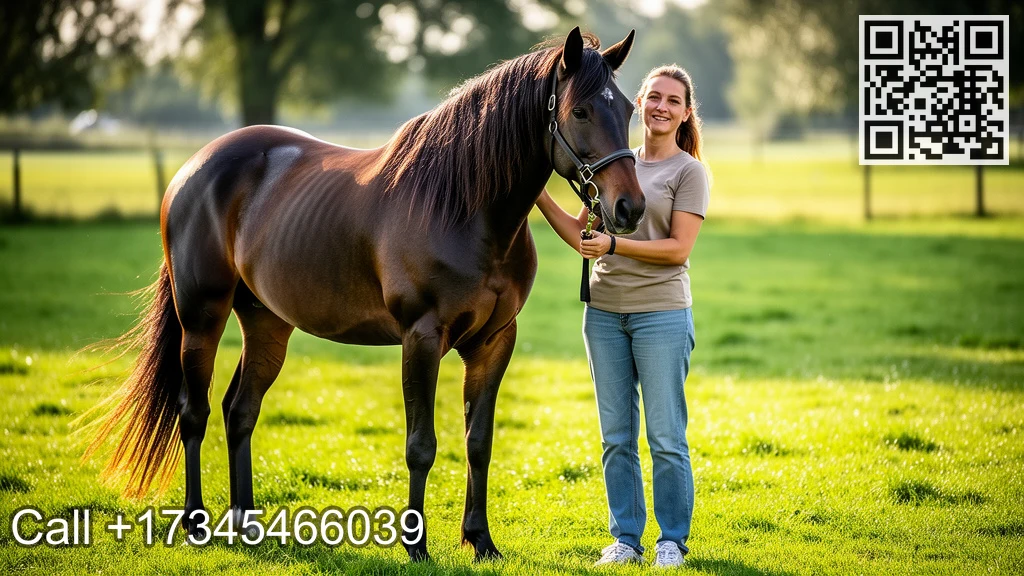
A nine-year-old on the autism range liked regular but despised surprises. We developed a visual timetable for sessions and integrated in two secured options, such as which steed to bridegroom and whether to finish with a short experience or a walk to the creek. The steeds, constant and predictable, became a safe place to practice versatility. If a tractor showed up, we named the sound, tipped sideways, and watched with each other. Gradually, he boosted his resistance for little adjustments, and his parents reported less upsets throughout shifts at home.
These are not wonder tales. They are common instances of equine-facilitated training, where rep, quality, and a responsive partner make method stick.
Safety, authorization, and steed welfare
Confidence can not expand if a horse is uncomfortable, overworked, or perplexed. At Happy Unguis, we stabilize the calendar so equine companions have ample field time and routine day of rests. We revolve steeds through sessions based on temperament, age, and choice. A forward gelding could succeed in ADHD equine learning assistance where movement is an attribute, while the quiet mare might anchor anxiety assistance with horses for clients who require additional calm.
We pay attention to tack fit and body condition. If a horse reveals indications of pain, such as head tossing during brushing or pinned ears at the girth, we adjust the plan and, if needed, time out placed job till a veterinarian or bodyworker reviews. We interpret no from an equine as information, not defiance. Similarly, educated permission for human beings matters. Customers can opt out of any task, request a different horse, or select to observe.
Weather is not an ethical test. Michigan tosses warm, thunder, ice, and wind. We reschedule when required, relocate to protected rooms for peaceful foundation, or change to indoor knowing that still supports goals. Somatic exercises, foundation basics, and reflective mentoring can all take place without entering the sector on a dangerous day.
Therapeutic horsemanship skills that cross over
Even when a session is concentrated on mentoring, basic horsemanship is part of the understanding. Exactly how to approach a horse from the shoulder so you do not shock it. Exactly how to read ears and eyes. Just how to lead with a loose rope, using your core and your objective, not a yank of your hand. In healing horsemanship programs that stress riding abilities, we apply the same mindset. Clarity defeats pressure. Short, well-structured jobs defeat marathon drills. For neurodiverse riders and trainers, we use visual hints, responsive pens like intense poles, and constant language. For instance, we might say feet still when asking for a stop, and pair it with a quit indication card for kids that refine aesthetic info much faster than spoken words.
Mounted work brings its own advantages. The rhythm of a stroll can help with regulation. Guiding includes planning and follow-through. Publishing to the trot calls for timing and equilibrium. We do not claim that riding remedies anything. We do keep in mind that repeated, scaffolded success develops self-trust, which often tends to spill right into life off the horse.
Working with anxiousness, ADHD, and autism respectfully
Labels can be helpful for solutions and sustains, however people are not medical diagnoses. We construct around the person. With anxiety, the priority is creating a strategy customers can recall under stress. That may look like a three-step regimen they rehearse every session, paired with a tactile sign such as a knotted bracelet to touch when they wish to slow down down.
With ADHD, motion can be medication, so we established tasks that feed the engine instead of fighting it. A timed challenge program where emphasis and rate both earn points transforms restless energy into approach. We educate clients to call when their emphasis blurs, after that readjust the task. Stretch the distance between cones. Break the series into two actions. The horse's actions make the results obvious.
For an autism equine finding out program, predictability and sensory limits matter. We reveal the plan, stay with it, and alert of adjustments. We construct consent right into every action. Would you like to brush the neck or the back first? Do you intend to utilize the soft brush or the mitt? Interaction can be talked, signed, or by indicating an image schedule. We observe closely and try to find tiny cues that say enough.
Team experiences for organizations around Dexter and Ann Arbor
The Ann Arbor area is abundant with groups that want useful growth without pretense. When companies, nonprofits, or college management teams come to the ranch, we match the schedule to the job they in fact do. If miscommunication is a pain factor, we design tasks that disclose combined signals promptly. If depend on is the problem, we may run a pattern where the horse can only be successful if individuals hand off the lead rope smoothly and maintain their signs consistent.
Group dimensions typically range from tiny teams of five to associates of 12 to 15. Bigger teams can rotate with terminals. A half-day consists of safety training, 2 or three steed activities, and a debrief with takeaways participants translate into day-to-day operations. We do not force any individual to handle a horse. Viewers commonly notice the most. What we do require is respect for the pets and for each and every other.
Access and accommodations
Equine-assisted activities work best when gain access to barriers are reduced. We schedule quieter hours for customers that choose a calm atmosphere. We supply seats and shade for assistance people. We maintain alternate communication tools handy, including straightforward photo cards for of course, no, break, and more. Safety helmets and closed-toe boots are required for placed sessions, motivated as a whole. Weight limitations for mounted job rely on the private equine, the footing, and the client's balance and experience. We review all of that throughout consumption so nobody marvels later.
Allergies are actual in barns. We maintain sessions mostly outdoors when possible. If you are delicate to hay or dander, allow us understand so we can prepare. If you are afraid of equines, that rates details too. Many customers start at the fence and still make progress. Self-confidence does not need touch on day one.
What to wear and what to expect on your first visit
- Closed-toe footwear with a walk. Boots are suitable, yet strong sneakers benefit groundwork. Long trousers you can move in, and layers for Michigan's quick climate shifts. A water bottle and any meds you might need, such as an inhaler or allergy relief. An authorized waiver and emergency get in touch with information. An open mind paired with clear borders. You can constantly say stop.
Plan to get here 10 minutes early to get the lay of the land. We will certainly go through the barn rules, introduce you to the horses we will certainly utilize that day, and address inquiries. The initial job is typically basic and brief. The objective is comfort and interest, not heroics.
Measuring progression without getting lost in numbers
Some clients like information. Others just wish to feel far better and function even more efficiently. We blend both choices. In the initial session or more, we set specific goals that we can observe. Speak out once in every group activity. Full a two-step grooming series without motivates. Hold attention on a task for five minutes, then self-cue a break. We review those goals every few sessions. Moms and dads, caregivers, or medical professionals can sign up with check-ins if the customer agrees.
We additionally track qualitative changes. Are you pausing prior to responding? Picking a strategy instead of expecting good luck? Did your equine deal with you a lot more voluntarily when your signals sharpened? These are not obscure vibes. They are actions that we can call and repeat.
Common inquiries that have a tendency to find up
Do I need to ride? No. Several equine-facilitated coaching programs remain totally on the ground and still provide solid results. When we do add installed work, it is due to the fact that it serves your goals.
What takes place in bad weather condition? Safety and security initially. We reschedule for lightning, ice, or severe warmth. Light rainfall can be fine. We constantly have actually grounded choices if footing is unsafe.
What if I am scared of equines? That is more typical than you might think. We begin at a range and construct convenience at your pace. A little healthy caution maintains everybody safe.
What about expense and organizing? We provide daytime and after-school hours on pick weekdays and weekend slots when we can. The very first phone call clears up whether equine-assisted services fit your objectives and what that looks like on the calendar.
How confidence really grows here
People in some cases imagine self-confidence as an attribute, a switch you either have or do not. In practice, it behaves even more like a muscle mass. It reinforces with useful tension, rest, and repeating. Horses are excellent at giving that beneficial stress. They ask for clarity and heart, after that respond when you use both. The arena comes to be a location to practice appearing as you, without extra polish, and to view a huge, honest being react to the real variation of you.
Equine-facilitated health at Delighted Hooves is not a getaway from reality. It is truth compressed to a readable range. You prepare, you make a plan, you act, you get comments, you change. Restorative horsemanship improves your abilities. Equine-assisted mentoring hones your communication. Equine-assisted activities give your body a function in the tale. Across those styles, the message repeats. Your choices land. Your visibility matters. Confidence takes root.
If you have actually been looking for a method to feel more consistent in your skin, to help a child build tolerances one tiny win at once, or to thaw a group stuck in courteous gridlock, it may be time to fulfill the horses. They do not judge your resume or your previous week. They take note of the moment you are in. That is where self-confidence starts, and that is the ground we service every day in Dexter.